

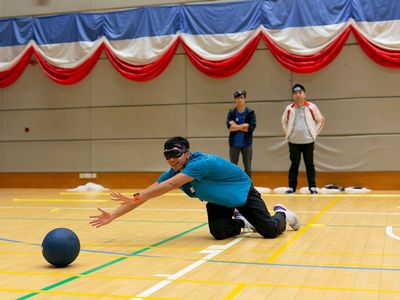
A school-based physical education programme in Hong Kong is using world-first inflatable goalball goals from New Zealand to bring the Paralympic sport of goalball to children with physical or intellectual disabilities.
The Jockey Club ‘Sports Without Limits” youth empowerment programme aims to increase opportunities for disabled children and young people to participate in sport.
Set up by the Chinese University of Hong Kong, the programme is part of a physical education and research initiative seeking to improve student outcomes by growing understanding of the links between physical activity, mental health and physical and cognitive development.
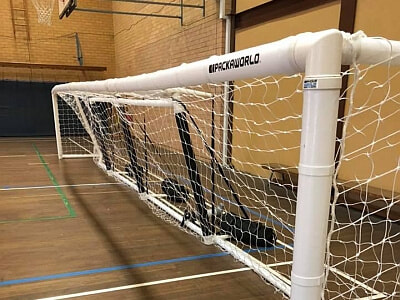
Goalball was introduced to the programme earlier this year after the university secured funding from The Hong Kong Jockey Club Charities Trust to purchase four portable Goalball Packagoals from Wellington business Packaworld International. The innovative goals are full-sized – 9m x 1.3m – and can be pumped up and set up in minutes, making them easy to take to new locations.
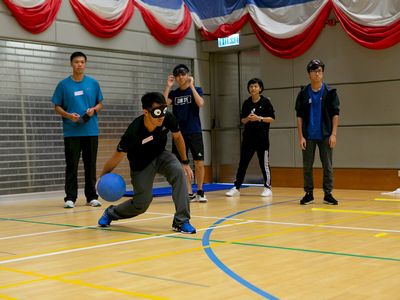
Packaworld chief executive Peter Roberts said goalball was an ideal sport to use within the programme because it puts athletes with vision impairments on an equal footing with those who are fully sighted. All players wear eyeshades so they are totally blindfolded, relaying entirely on the sound of a bell within the ball to position themselves and save the opposing team’s shots.
“When Chinese University of Hong Kong got in touch to let us know they wanted to obtain the goals for the ‘Sport without Limits’ programme, we were thrilled. The programme is the perfect application for the goals and provides a fantastic opportunity to promote inclusion and sport between people of all abilities, including those who don’t always get to opportunity to play.”
The Goalball Packagoals were sent to four Hong Kong schools in April and have since caught the attention of educators. As a result, the Chinese University of Hong Kong has gone on to purchase six more Goalball Packagoals for the programme to enable a greater number of schools to participate across the major East Asian city.
“We’ve been really pleased to see the positive outcomes that come from bringing sport to young people with physical or intellectual disabilities. There’s massive potential for many more schools around the world to create truly inclusive physical education programmes that cater for people of all abilities.”
Outside of Hong Kong, Packaworld’s Goalball Packagoals are being used by disabled sports organisations, sports clubs and national sporting federations in the UK, USA, Canada, Australia and New Zealand.
Packaworld has also formed a strong relationship with Special Olympics and supplies high quality portable bocce courts, known as Packabocce, for use at many of the international organisation’s programmes and events. These include school-based programmes and ‘unified sports events’ that bring people with and without disabilities together to play bocce on the same court.
ABOUT GOALBALL
Originally created to help rehabilitate visually impaired World War II veterans, goalball has grown in popularity and now features in the Paralympic Games.
Goalball is played by two teams of three players with a maximum of three substitutions on each team. The object of the game is to score a goal by bowling the ball along the floor so that it crosses the goal line of the opposing team.
The sport is open to both male and female visually impaired athletes, and sighted players can also play.
It has three main distinguishing features:
- All players wear eyeshades so that they are totally blindfolded.
- Goalball is played on an indoor court that is 18m long and 9m wide. The court has tactile markings (string that is taped to the floor), which helps players determine where they are.
- The ball contains internal bells, which help players locate it during play.
Photo credit: Sport Without Limits programme - Hong Kong.

View related posts

Portable goalball goals bring pro-level play to US blind sports summer camp
Young athletes with visual impairments from across New England were treated to a range of adaptive sports at a brand-new summer camp, including goalball played...

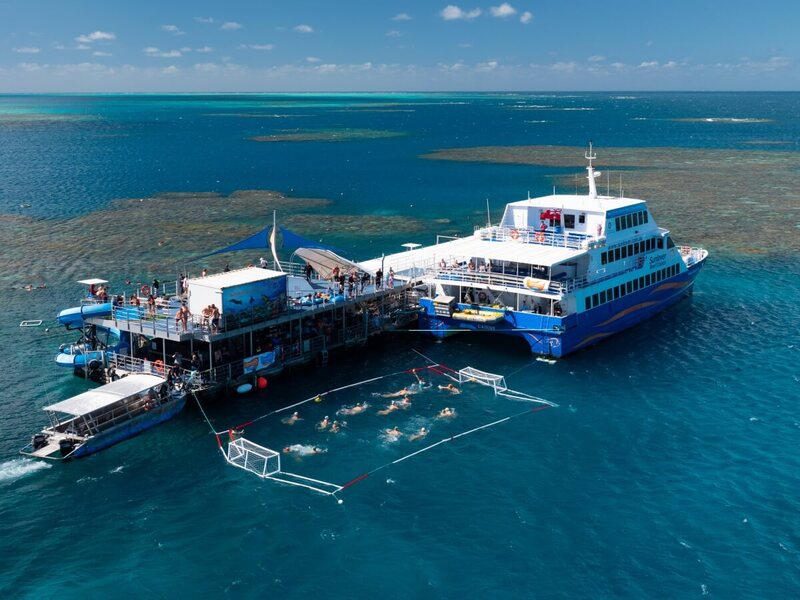
Five of the most unusual places people have played sport
Most people are happy playing sport at their local park, gym, or pool, but for some that's just not exciting enough. From coral reefs to...
